

Why Your Fence Deserves Better Than Neglect
Fence maintenance tips can save you thousands of dollars and years of headaches. Here’s what every fence owner needs to know:
- Inspect monthly for damage, rot, rust, and loose boards
- Clean annually using appropriate methods for your material (wood, vinyl, or metal)
- Seal wood fences every 2-3 years to prevent rot and UV damage
- Address repairs immediately before small issues become expensive replacements
- Control vegetation to prevent moisture buildup and structural damage
- Tighten hardware regularly on gates and panels to maintain stability
Whether your fence has been part of your property for years or you just installed it, its longevity depends entirely on the care you put into it. Most homeowners don’t realize that a fence is an investment requiring regular attention—not just a structure you can ignore until something breaks.
In Oklahoma’s challenging climate, fences face intense UV rays in summer, freezing temperatures in winter, and sudden storms year-round. These conditions accelerate wear on every material, from wood rot to metal corrosion to vinyl brittleness. Without proper maintenance, even the highest-quality fence will fail prematurely.
The good news? Most fence damage is preventable with simple, proactive care. Regular inspections catch small problems before they become structural failures. Proper cleaning removes the grime and mold that eat away at your fence. And applying the right protective coatings creates a barrier against the elements that can double or triple your fence’s lifespan.
The cost difference is staggering. A wood fence that receives regular sealing and minor repairs can last 20-40 years, while a neglected one may need replacement in just 5-10 years. That’s the difference between spending a few hundred dollars on maintenance versus thousands on premature replacement.
As Jose Grados, owner of A Better Fence Construction with nearly a decade of aerospace engineering experience, I apply the same precision and quality standards to Fence maintenance tips that I used in designing critical aerospace components. My engineering background taught me that preventative maintenance is always cheaper than catastrophic failure—a principle that applies perfectly to keeping your fence in top condition.
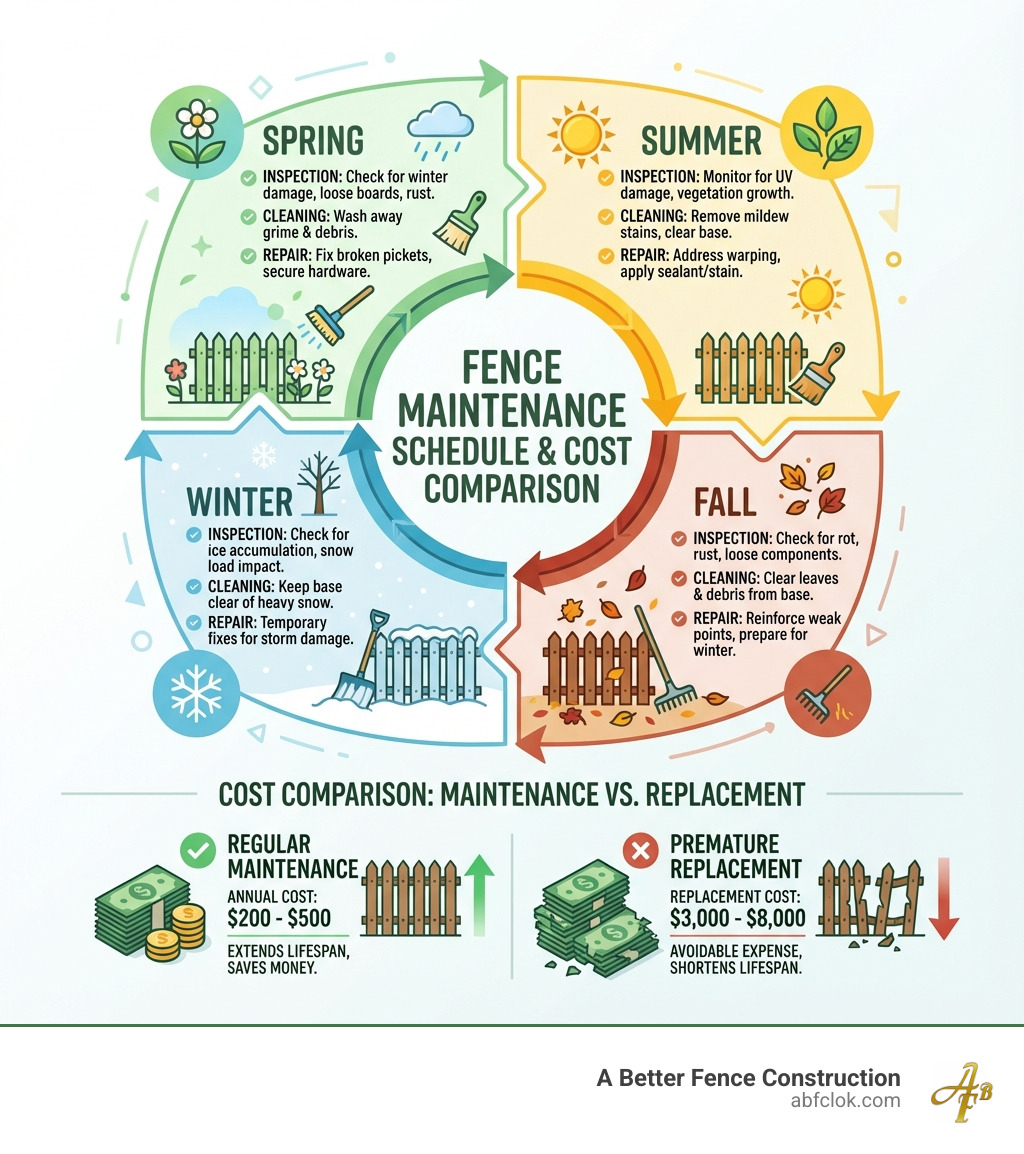
Why Regular Fence Maintenance is a Smart Investment
Your fence isn’t just a boundary; it’s a vital part of your home’s curb appeal, security, and overall value. Just like any other significant investment, it thrives on consistent care. Neglecting your fence can lead to a cascade of problems, from minor aesthetic issues to major structural failures, all of which ultimately cost you more time and money.
The primary benefits of regular fence maintenance are multifaceted. First and foremost, it significantly extends the lifespan of your fence. By addressing small issues like loose boards or minor rust spots promptly, you prevent them from escalating into widespread damage that could necessitate an expensive full replacement. For instance, while a neglected wood fence might only last 5-12 years, a well-maintained cedar fence, especially one that is regularly sealed, can stand strong for up to 40 years. Similarly, vinyl fences, with their 20-30 year lifespan, can reach their full potential with consistent cleaning and prompt crack repairs. Metal fences, like aluminum (30+ years) and iron (50+ years), also benefit immensely from rust prevention and finish care.
Beyond longevity, a well-maintained fence improves your property’s curb appeal. A clean, sturdy, and attractive fence makes a positive first impression, reflecting pride of ownership and potentially increasing your home’s market value. Imagine trying to sell a home with a sagging, discolored, or broken fence – it detracts from the entire property.
Regular maintenance also bolsters your fence’s security. A fence with loose panels, leaning posts, or broken gates offers little protection for your property or pets. By keeping all components secure and functional, you maintain the barrier your fence was designed to be.
The biggest benefit is cost savings. Proactive maintenance is always more economical than reactive repairs or, worse, a complete replacement. A little effort and a few dollars spent annually on cleaning, sealing, and minor fixes can save you thousands in the long run. We believe in investing in your fence’s future, not just patching its past.
The First Step: Regular Inspections and Essential Toolkit
Before we dive into the nitty-gritty of cleaning and repairs, let’s talk about the absolute foundation of good fence care: regular inspections. Think of it as your fence’s annual physical – catching potential problems early can prevent them from becoming major headaches.
Conducting a Thorough Fence Inspection
We recommend conducting a thorough fence inspection at least every few months, and even more frequently during Oklahoma’s rainy seasons or after severe weather events. A monthly walk-around can catch minor issues before they worsen.
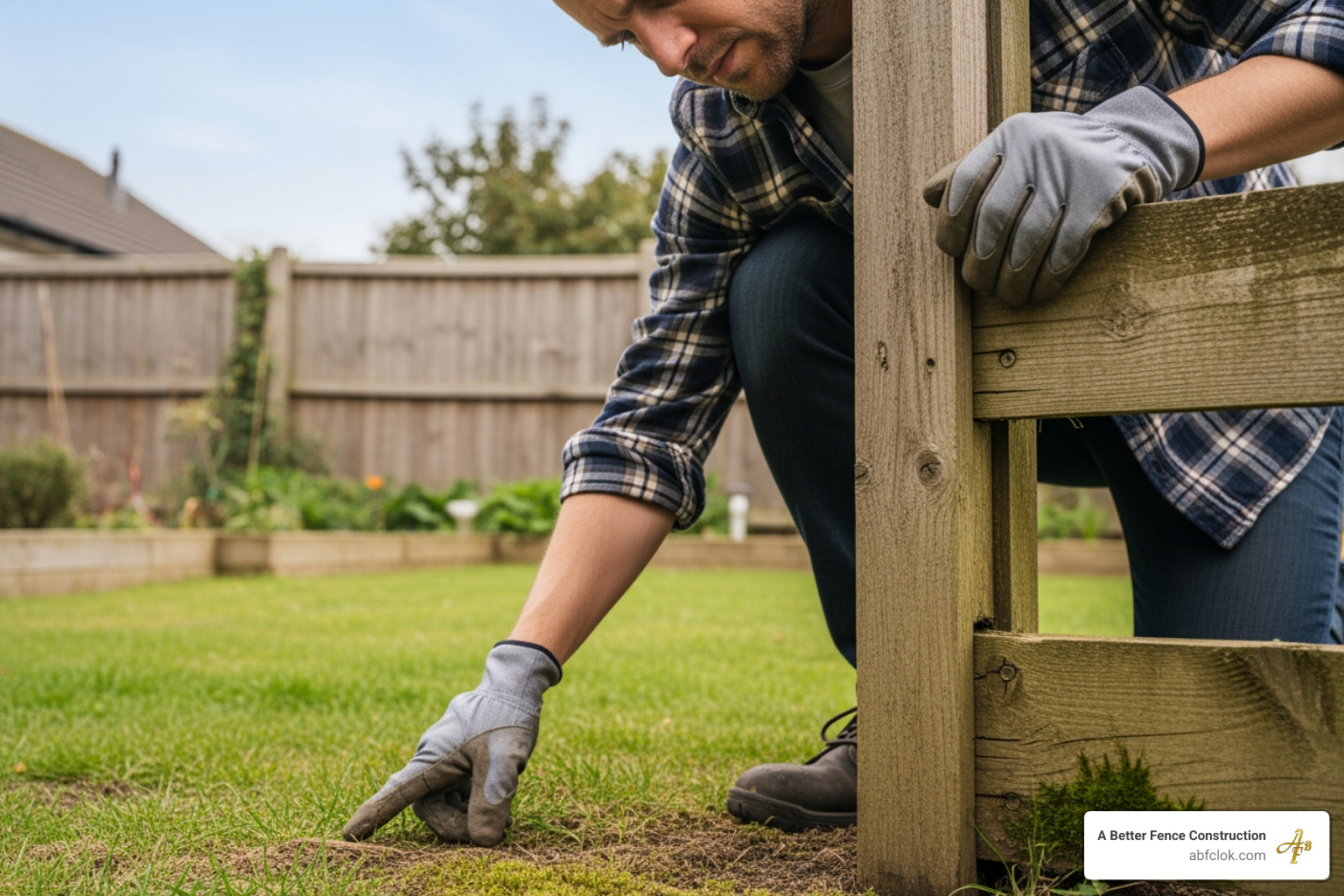
During your inspection, keep an eye out for these common signs of damage:
- Wood Rot: For wood fences, look for soft spots, discoloration, fungal growth, or mold, especially at the base of posts where they meet the soil. You can use a screwdriver to gently poke the wood; if it penetrates deeply, rot is likely present.
- Rust: On metal fences, rust often starts in the joints. Look for reddish-brown discoloration or flaking. Even galvanized chain-link fences can develop rust over time.
- Corrosion: Beyond rust, inspect metal fences for any signs of material degradation or pitting.
- Warping: Wood fences can warp or twist due to moisture and sun exposure. Vinyl fences might show signs of warping or cracking, especially after extreme temperature fluctuations.
- Loose Parts: Check for loose boards, pickets, or panels. Ensure all nails, screws, and fasteners are secure.
- Leaning Posts: A leaning fence post indicates a structural issue. This could be due to saturated soil, frost heave, or simply age.
- Pest Damage: For wood fences, look for small holes, sawdust trails, or signs of insect activity like termites.
- Gate Alignment: Test your gate to ensure it opens and closes smoothly. Check for sagging, sticking, or misaligned hardware.
Your Fence Maintenance Toolkit
Having the right tools on hand makes fence maintenance a breeze. Here’s a list of essential items we recommend for your toolkit:
- Safety Gear: Always prioritize safety. This includes work gloves, eye protection, and sturdy footwear.
- Pressure Washer: A must-have for efficient cleaning, but remember to use it cautiously, especially on wood.
- Soft-Bristle Brush: Ideal for scrubbing away dirt and grime without damaging surfaces.
- Scraper: Useful for removing peeling paint or stubborn debris.
- Screwdriver & Hammer: For tightening loose screws, re-setting nails, and minor repairs.
- Pliers: Handy for straightening bent chain-link sections or adjusting hardware.
- Wood Sealant/Stain: Essential for protecting wood fences from moisture and UV rays.
- Rust-Resistant Paint/Primer: Crucial for metal fence protection.
- Lubricant: Such as WD-40 or silicone spray, for squeaky gate hinges.
- Mild Soap/Detergent: For general cleaning.
- Oxygen Bleach or Vinegar: For tackling mold and mildew.
- Drop Cloths/Tarps: To protect surrounding areas during cleaning or staining.
A Deep Clean for Lasting Appeal
Cleaning your fence isn’t just about making it look good; it’s a critical step in preventing premature deterioration. Dirt, grime, mold, and mildew can trap moisture against the fence material, accelerating rot, corrosion, or discoloration.
Cleaning Methods for Different Fence Materials
The key to effective cleaning is using the right method for your specific fence material. A one-size-fits-all approach can do more harm than good.
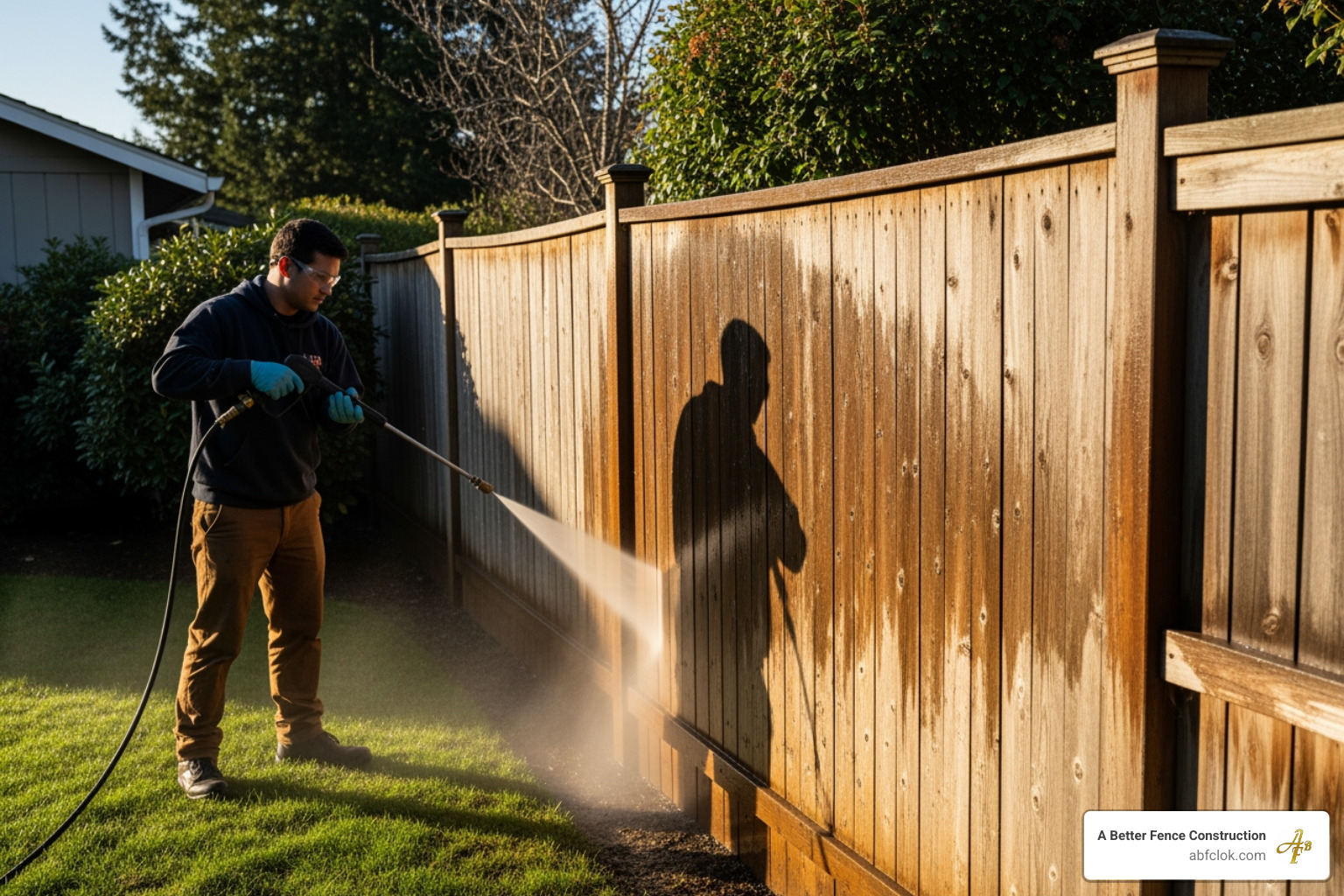
- Wood Fence Cleaning: For wooden fences, a gentle cleaning is often best. You can use a mild detergent and a soft-bristled brush to scrub away dirt and grime. For deeper cleaning, a pressure washer can be effective, but caution is paramount. We advise using a low-pressure setting (no more than 500-600 psi, though some can go up to 1500 psi with care) and a wide fan tip, keeping the nozzle about 18-20 inches from the wood surface. High pressure can scar the wood, force water into its fibers, or even strip away its natural oils. Always test on an inconspicuous spot first. Allow the wood to dry completely before applying any treatments. For more detailed insights on using a pressure washer, consult expert guides.
- Vinyl Fence Cleaning: Vinyl fences are relatively easy to clean. A simple rinse with a garden hose often removes loose dirt. For stubborn grime, mix mild soap and water, apply with a soft cloth or brush, and then rinse thoroughly. Avoid abrasive cleaners or stiff brushes, which can scratch the surface. A vinegar and water mix can also be effective for stains.
- Metal Fence Cleaning: For aluminum, steel, or wrought iron fences, a small brush and non-abrasive soap with water will do the trick. Avoid harsh chemicals or abrasive tools that could damage the finish or protective coatings. Rinse well with a hose.
- Chain-Link Fence Cleaning: A good spray with a garden hose is usually sufficient for routine cleaning. For rust spots, a wire brush can help scrub them away before applying a rust-resistant coating.
Tackling Mold, Mildew, and Algae
Oklahoma’s humidity and occasional heavy rains make mold, mildew, and algae common culprits on fences, especially wood. These growths don’t just look unsightly; they trap moisture, accelerating decay.
- Identifying Growth: Mold and mildew typically appear as black, green, or gray fuzzy patches. Algae often presents as a slippery green film.
- Oxygen Bleach Solution: For wooden fences, an oxygen bleach and water mixture is highly effective at killing mold, mildew, and algae without the harshness of chlorine bleach, which can damage wood fibers. Apply the solution, let it sit for a recommended period (check product instructions), then gently scrub and rinse. For more detailed information on preventing moisture and mold, refer to specialized guides like Fence Maintenance Tips for Moisture and Mold.
- Vinegar and Water Mix: For vinyl fences, a mixture of white vinegar and water (e.g., 1 part vinegar to 3 parts water) can effectively remove mold and mildew. Apply, let it sit, then scrub and rinse.
- Commercial Cleaners: Several commercial fence cleaners are available. Always choose one appropriate for your fence material and follow the manufacturer’s instructions carefully.
- Proper Scrubbing and Rinsing: Use a soft-bristled brush for scrubbing to avoid damaging the fence surface. After applying any cleaning solution, rinse thoroughly to remove all residues.
Material-Specific Fence Maintenance Tips
Each fence material has its own personality, and thus, its own unique maintenance requirements. Understanding these differences is crucial for effective care.
| Material | Typical Lifespan (with maintenance) | Common Maintenance Needs |
|---|---|---|
| Wood | Cedar: 15-40 years, Pine: 5-20 years | Cleaning, sealing/staining, pest control, rot repair, board replacement |
| Vinyl | 20-30 years | Cleaning, crack repair, hardware checks, UV protection |
| Aluminum | 30+ years | Cleaning, touch-up paint for scratches, hardware checks |
| Steel | 20-50 years | Cleaning, rust prevention/removal, repainting, hardware checks |
| Iron | 50+ years | Cleaning, rust prevention/removal, repainting, hardware checks |
| Chain-Link | 20-50 years | Cleaning, rust removal, tension adjustment, section repair |
Essential Wood Fence Maintenance Tips
Wood fences, a classic choice for many Oklahoma homes, offer timeless charm but demand more upkeep than other materials. The type of wood significantly impacts its natural lifespan:
- Spruce: 4-7 years
- Pine: 5-12 years
- Cedar: 15-30 years
- Treated spruce and pine: up to 20 years
- Treated cedar: up to 40 years
This variance highlights why proper maintenance is not just helpful, but essential. For more information on wood fence installation, visit our wood-fence-install page.
- Staining vs. Sealing: Both staining and sealing protect your wood fence from the elements. A sealant penetrates the wood to create a barrier against moisture and UV rays, preventing rot and warping. Stains offer similar protection but also add color, enhancing the wood’s natural beauty or changing its appearance. Many products combine both functions. In Oklahoma’s climate, choosing a product with strong UV protection is vital to prevent fading and sun damage.
- Application Methods: After cleaning and allowing the wood to dry completely, apply your chosen product with a brush, roller, or sprayer. Ensure even coverage and follow manufacturer instructions for drying times and additional coats.
- Staining Frequency: Sealing or staining your fence every 1-3 years extends its life exponentially. Given Oklahoma’s intense sun and weather, reapplying every 2 years is often a safer bet to maintain optimal protection.
- Pest Deterrence: Keep firewood and other wooden items away from your fence to deter termites and other wood-boring insects. Regularly inspect for signs of pest damage like holes or sawdust.
Low-Maintenance Vinyl and Composite Fencing
Vinyl fences are a popular choice for their durability and low-maintenance needs, often lasting 20-30 years. They are naturally resistant to rot, pests, and moisture. For information on our vinyl fence options, see our vinyl-fence-install page.
- Cleaning Scuffs: For most dirt and scuffs, a simple mix of water and mild soap will do. For stubborn marks on white vinyl, Soft Scrub can be used carefully. Avoid harsh chemicals like bleach, which can discolor or damage the vinyl.
- Repairing Cracks: While durable, extreme cold can make vinyl brittle, leading to cracks. Address these as early as possible with a vinyl patching kit to prevent them from spreading.
- Preventing Discoloration: Constant sun exposure can cause vinyl to fade over time. Choosing UV-resistant vinyl or applying a UV coating can help maintain its color.
- Hardware Checks: Though vinyl itself is low-maintenance, always check gate hinges and latches for proper function and tightness.
Protecting Metal and Chain-Link Fences
Metal fences, including aluminum, steel, and wrought iron, are renowned for their strength and longevity. Aluminum fences can last 30+ years, while steel and iron can endure for 20-50 years or even longer. Explore our ornamental fence styles on our ornamental-fence-install page.
- Aluminum vs. Steel/Iron: Aluminum is naturally rust-resistant, making its maintenance primarily about cleaning and addressing scratches. Steel and wrought iron, however, are susceptible to rust and require more vigilant care.
- Rust Prevention: The best defense against rust is prevention. For steel and iron, apply rust-resistant paints and primers. For galvanized chain-link fences, a rust-resistant coating every few years helps maintain their integrity.
- Inspecting for Corrosion: Regularly inspect your metal fence for signs of corrosion, especially in the joints, where moisture can easily collect.
- Rust Removal: If you spot rust, tackle it immediately. Small areas can be sanded with a wire brush or sandpaper. After removing the rust, apply a corrosion converter, followed by a rust-resistant primer and paint.
- Tightening Fittings: Over time, bolts and screws on metal fences can loosen. Periodically check and tighten all fittings, including gate hardware, to maintain stability.
- Maintaining Chain-Link Tension: Chain-link fences can lose tension, causing them to sag. Check the fabric regularly and replace any broken ties. Ensure the top rail is straight and securely attached.
Common Repairs and Landscape Management
Even with the best preventative care, fences can sometimes sustain damage. Knowing how to handle common repairs and manage your surrounding landscape can save you a lot of hassle.
DIY Fence Repair Guide
Many minor fence repairs can be handled by a homeowner, preventing small issues from becoming larger, more costly problems.
- Fixing Loose Boards: For wooden fences, loose boards can often be re-secured with longer, corrosion-resistant screws or nails. If the wood around the fastener is stripped or rotted, you might need to replace the section or use wood filler.
- Replacing Cracked Panels: For vinyl fences, small cracks can often be repaired with a specialized vinyl patching kit. For larger cracks or severely damaged panels, replacement might be necessary.
- Securing Leaning Posts: A leaning post is a red flag. For minor leans, you might be able to reinforce it with additional concrete backfill or by adding bracing. For significant leans or rot at the post base, it’s often best to call a professional.
- Tightening Hardware: As you inspect the fence line, test the tightness of all screws, brackets, and gate hinges. Carefully tighten anything loose with a screwdriver or pliers, avoiding stripping or warping hardware.
- Lubricating Gate Hinges: A quick shot of WD-40 or silicone spray keeps hinges operating smoothly and eliminates annoying squeaks.
Landscaping to Protect Your Fence
Your landscaping, while beautiful, can inadvertently contribute to fence damage if not managed properly.
- Vegetation Management: Trees, bushes, and vines growing too close to your fence can trap moisture, block sunlight (leading to mold), and even physically damage the fence panels or posts. Regularly trim back any vegetation that touches or hangs over your fence. For insights on managing your outdoor spaces, refer to residential-landscaping-okc.
- Preventing Root Damage: Tree roots can put pressure on fence posts, causing them to shift or crack. If you have large trees near your fence, consider professional advice on root barriers or selective root pruning.
- Clearing Debris: Leaves, grass clippings, and other organic debris piled against the base of your fence can trap moisture, creating an ideal environment for rot and pests. Keep the fence line clear, especially in the fall.
- Ensuring Proper Drainage: Water pooling around fence posts is a major cause of rot and instability. Ensure the ground around your fence slopes away from it, allowing water to drain naturally. If you have low spots, level them or consider adding gravel borders. French drains can also be an effective solution to divert excess water from landscaping or gutters.
Frequently Asked Questions about Fence Care
We often hear similar questions from homeowners across Oklahoma City, Norman, Edmond, and the wider OKC Metro. Let’s tackle some of the most common ones.
How does seasonal weather in Oklahoma impact my fence?
Oklahoma’s weather is notoriously fickle, and each season brings its own set of challenges for your fence:
- Spring: As the ground thaws, watch for frost heave, which can shift fence posts. It’s a great time to clean away winter grime and inspect for any damage from ice or snow.
- Summer: The intense sun and high temperatures can cause wood fences to dry out, warp, and fade. UV protection from stains or sealants is crucial. Vinyl fences can also experience fading.
- Fall: Falling leaves and debris can pile up against your fence, trapping moisture and creating a breeding ground for mold and mildew. Clear these regularly and consider applying fresh sealants or stains before winter sets in.
- Winter: Freezing temperatures, ice, and snow can put immense stress on fences. Snow accumulation against the fence can lead to prolonged moisture exposure and warping, especially for wood fences. Metal fences are prone to rust in wet conditions. Always clear heavy snow away from your fence to prevent damage.
How often should I stain or seal my wood fence?
The general recommendation for most wood fences is to apply a quality stain or sealant every 2-3 years. However, given Oklahoma’s strong sun exposure and varied weather conditions, we often advise inspecting your wood fence annually and considering reapplication every 2 years. This proactive approach helps prevent fading, rot, and water damage, ensuring your fence remains beautiful and structurally sound for longer.
When should I call a professional instead of doing it myself?
While many minor maintenance tasks are perfectly suited for DIY, there are times when calling a professional is the smarter, safer, and ultimately more cost-effective choice.
- DIY Tasks: You can confidently handle routine cleaning, tightening loose screws, lubricating gate hinges, applying stains or sealants, and replacing a single damaged picket or board.
- Call a Professional For:
- Multiple Leaning Posts: If several posts are leaning, it suggests a widespread structural issue that requires expert assessment and repair.
- Widespread Rot or Rust: If more than a few sections of your wood fence show extensive rot, or if your metal fence has significant, deep-seated rust, professional intervention is necessary.
- Complex Gate Repairs: If your gate is severely sagging, won’t close properly, or has damaged hardware that you can’t easily fix, a professional can restore its function and security.
- Significant Damage: As a general rule, if 25-30% or more of your fence is failing or heavily damaged, a complete replacement might be more cost-effective than trying to repair it section by section.
- Safety Concerns: If your fence poses a safety risk, such as being unstable or having sharp, broken sections, don’t hesitate to call an expert.
A professional can accurately diagnose the problem, recommend the best course of action, and ensure the repair or replacement is done correctly, maintaining your fence’s structural integrity and aesthetic appeal.
Keep Your Fence Standing Strong for Years to Come
We’ve covered a lot of ground today, from the compelling reasons behind regular fence maintenance to specific care tips for different materials and common repair hacks. The takeaway is clear: your fence is an integral part of your home in Oklahoma City, Norman, Edmond, Moore, Piedmont, Shawnee, OKC Metro, or Midwest City, and it deserves consistent attention.
By regularly inspecting your fence for damage, keeping it clean, applying appropriate protective coatings, and managing the surrounding landscape, you’re not just performing chores – you’re making a smart investment. These Fence maintenance tips will not only preserve your fence’s beauty and functionality but also significantly extend its lifespan, saving you from costly premature replacements.
Proactive care is the golden rule. Small efforts now will yield big rewards in the long run, ensuring your fence stands strong, secure, and beautiful for years to come.
For expert fence repair or a brand-new installation that lasts, request your free project estimate today.
