

Why Property Owners Are Choosing to Change Chain Link Fence to Vinyl
Looking to change chain link fence to vinyl? Here’s what you need to know:
Quick Answer:
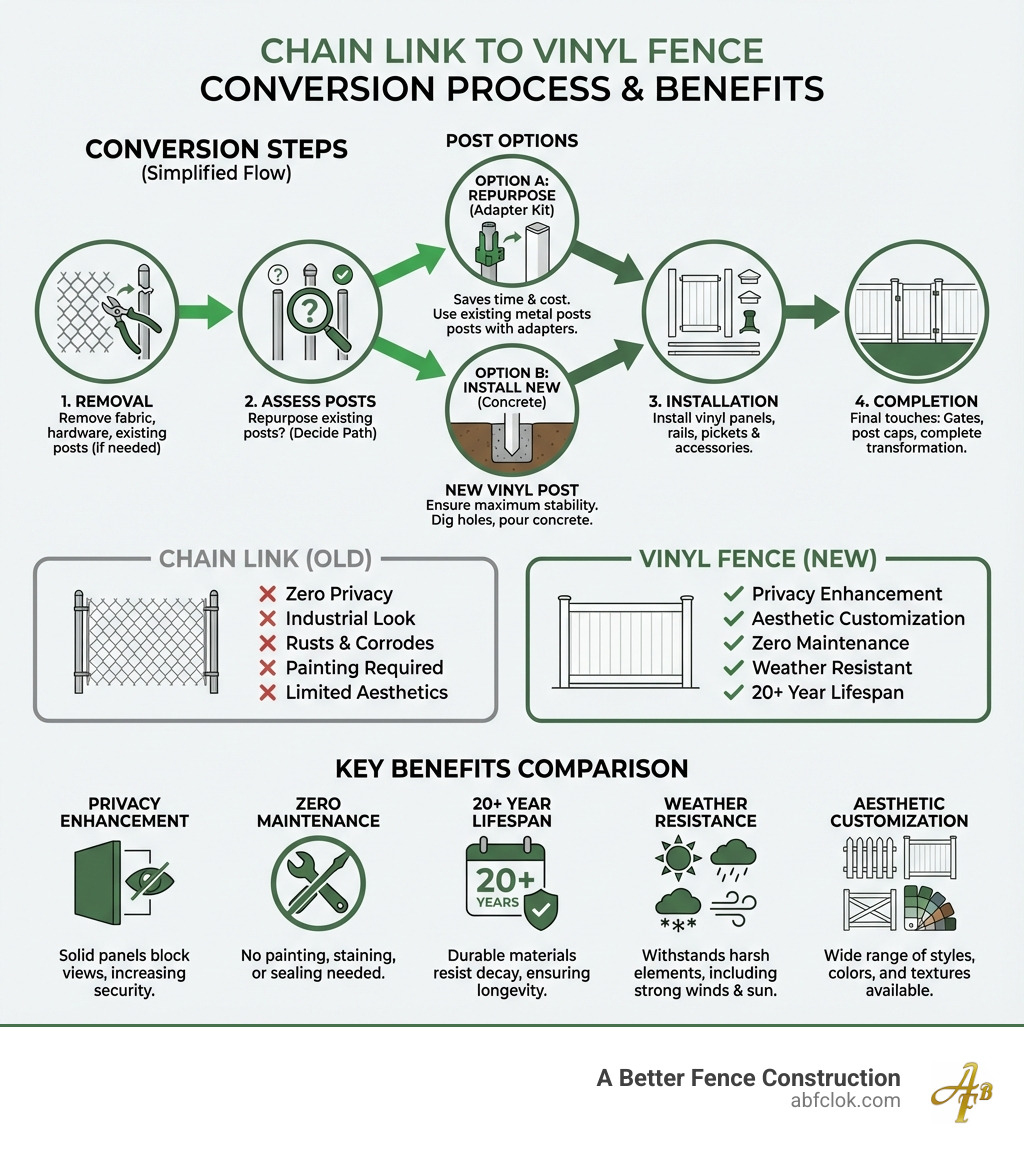
- Remove the old chain link fabric and hardware from existing posts.
- Assess if existing posts can be repurposed with adapter kits to save time and money.
- Install new vinyl fence posts (or adapt existing ones) using concrete for stability.
- Assemble vinyl panels, rails, and pickets according to manufacturer specifications.
- Add gates, post caps, and finishing touches for a complete change.
Chain link fences are practical, but they lack privacy and can look industrial. For homeowners in the Oklahoma City area, vinyl fencing has become the go-to upgrade for style, privacy, and durability without the maintenance headaches of wood. Vinyl won’t rust or rot, and it stands up to Oklahoma’s harsh weather, from scorching summers to ice storms.
The good news is that converting your fence is more straightforward than you might think. In many cases, you can repurpose the existing metal posts using adapter kits, saving time and money. This guide walks you through the entire process.
I’m Jose Grados, owner of A Better Fence Construction. With a background in engineering and nearly a decade of experience, I bring precision and quality control to every project. We know what it takes to change chain link fence to vinyl while ensuring long-lasting, professional results that exceed industry standards.
Why Change Your Chain Link Fence to Vinyl?
Many homeowners in the OKC Metro area upgrade their fences for both aesthetic and practical reasons. While chain link is affordable, it falls short on privacy and curb appeal. This is where vinyl fencing shines.
Here’s a comparison of why we often recommend vinyl over traditional chain link:
| Feature | Chain Link Fence | Vinyl Fence |
|---|---|---|
| Initial Cost | Lowest | Higher than chain link and wood |
| Maintenance | Minimal (no upkeep, just repair if damaged) | Minimal (occasional cleaning, no painting/refinishing) |
| Durability | Strong, galvanized lasts long, resistant to rust | Extremely durable, won’t rot, warp, crack, resistant to pests, lasts 20+ years |
| Privacy | None (unless slats or covers are added) | Excellent (privacy and shadowbox styles available) |
| Aesthetics | Utilitarian, industrial look | Versatile styles, clean, modern, can mimic wood |
| Weather Resistance | Good (especially galvanized) | Excellent (withstands harsh weather without wear and tear) |
| Pests | Not susceptible to pests | Resistant to termites and other pests |
The reasons for choosing to change chain link fence to vinyl are clear:
- Improved Privacy: Unlike see-through chain link, vinyl privacy fences create a solid barrier, giving you the seclusion you desire for your backyard. A solid fence can also help reduce barking from dogs stimulated by movement.
- Superior Durability: Built to last, vinyl fences withstand Oklahoma’s harsh weather without rotting, warping, or cracking like wood. They are also resistant to pests, ensuring a strong boundary for decades.
- Weather Resistance: Vinyl fencing excels in our local climate, maintaining its integrity through scorching summers and freezing winters without fading or degrading.
- No Rot or Pests: Vinyl is impervious to rot, decay, and pests like termites, offering a long-lasting solution without chemical treatments.
- Minimal Maintenance: Vinyl fences require almost no upkeep beyond an occasional cleaning with soap and water. This saves you time, money, and effort compared to wood fences.
- Style Versatility: Vinyl fencing offers a wide array of styles, colors, and textures to complement your home’s architecture and boost curb appeal.
For more information about the advantages and options of vinyl fences, visit our dedicated page: More info about vinyl fences.
Vinyl Fence Styles and Considerations
When you decide to change chain link fence to vinyl, you open up a world of design possibilities.
- Privacy Fences: The top choice for complete seclusion, these solid-panel fences create a private sanctuary, perfect for backyards, pools, or hot tubs.
- Picket Fences: Ideal for a classic, charming look, picket fences define boundaries without completely obstructing the view, keeping children and pets safe.
- Post and Rail Fences: These offer a rustic, ranch-style aesthetic, perfect for defining large property lines in areas like Norman or Piedmont.
- Shadowbox Style: A semi-private option with alternating pickets on each side of the rails. It looks attractive from both sides and allows for airflow.
- Choosing a Color: While white is classic, we can help you select a color that blends with your home’s exterior and landscaping.
- Matching Home Architecture: The right fence style improves your home’s curb appeal. We’ll help you find a design that harmonizes with your property’s character.
- Local HOA Rules: Before finalizing plans, it’s crucial to check with your local HOA in areas like Edmond or Moore for rules on fence style, height, and color.
- Climate Considerations: We recommend high-grade vinyl to ensure longevity and resistance to fading or warping from Oklahoma’s strong winds and intense sun.
Planning Your Fence Conversion Project
A successful fence conversion starts with meticulous planning to ensure a smooth installation that meets all regulations and your aesthetic goals.
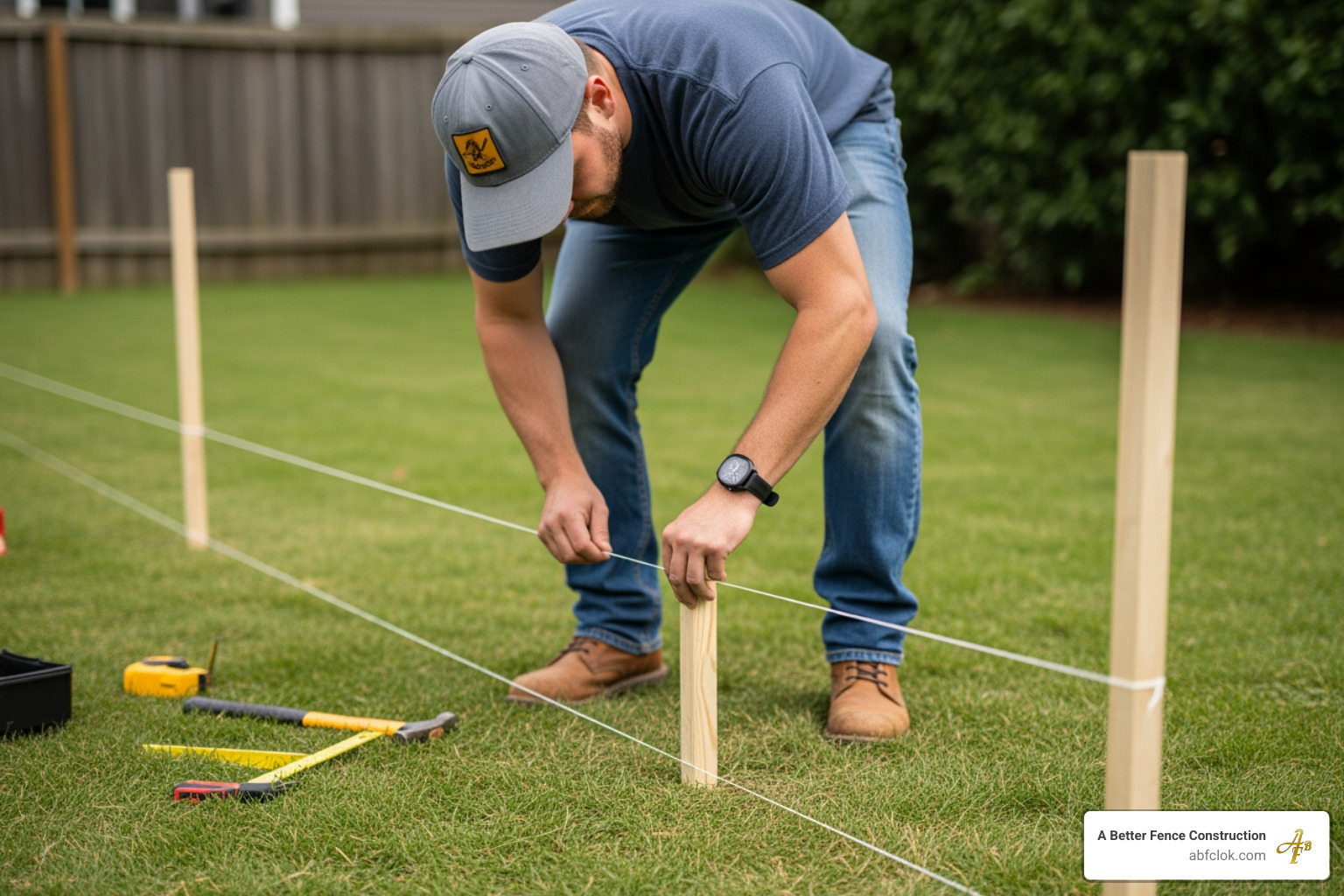
Here’s what to consider during the planning stage:
- Property Lines: Accurately identifying your property lines is paramount. Review your property survey to avoid disputes with neighbors and ensure the fence is on your property.
- Utility Checks: Before any digging, call 811 or visit their website. This free national service marks underground utility lines (gas, water, electric). Digging without this check is dangerous and can lead to expensive damage.
- Local Building Codes and Permits: Regulations vary across the OKC Metro, including Norman, Shawnee, and Midwest City. We’ll help you steer local zoning, height restrictions, and setback requirements. Pool fences often have specific rules for height and gate hardware.
- Measuring Linear Footage: We’ll measure the total length of your fence line, including gates, to accurately budget and order the correct amount of materials.
- Essential Tools and Materials: A typical project requires:
- Post-hole digger or auger
- Shovel, trowel, and wheelbarrow
- Level, measuring tape, and string line
- Screwdriver or screw gun and mallet
- Concrete mix and gravel
- Vinyl fence posts, panels, rails, caps, and gate hardware
- Post adapters (if repurposing)
Understanding how to choose the right vinyl fencing is a big step in this planning process. We have a resource that can guide you further: How to Choose the Right Vinyl Fencing.
The Step-by-Step Guide to Change Chain Link Fence to Vinyl
Starting on a project to change chain link fence to vinyl is an exciting upgrade. While a DIY approach is possible, it requires precision and the right tools. For homeowners in the Oklahoma City area who prefer a professional touch, A Better Fence Construction applies engineering precision to ensure lasting quality.
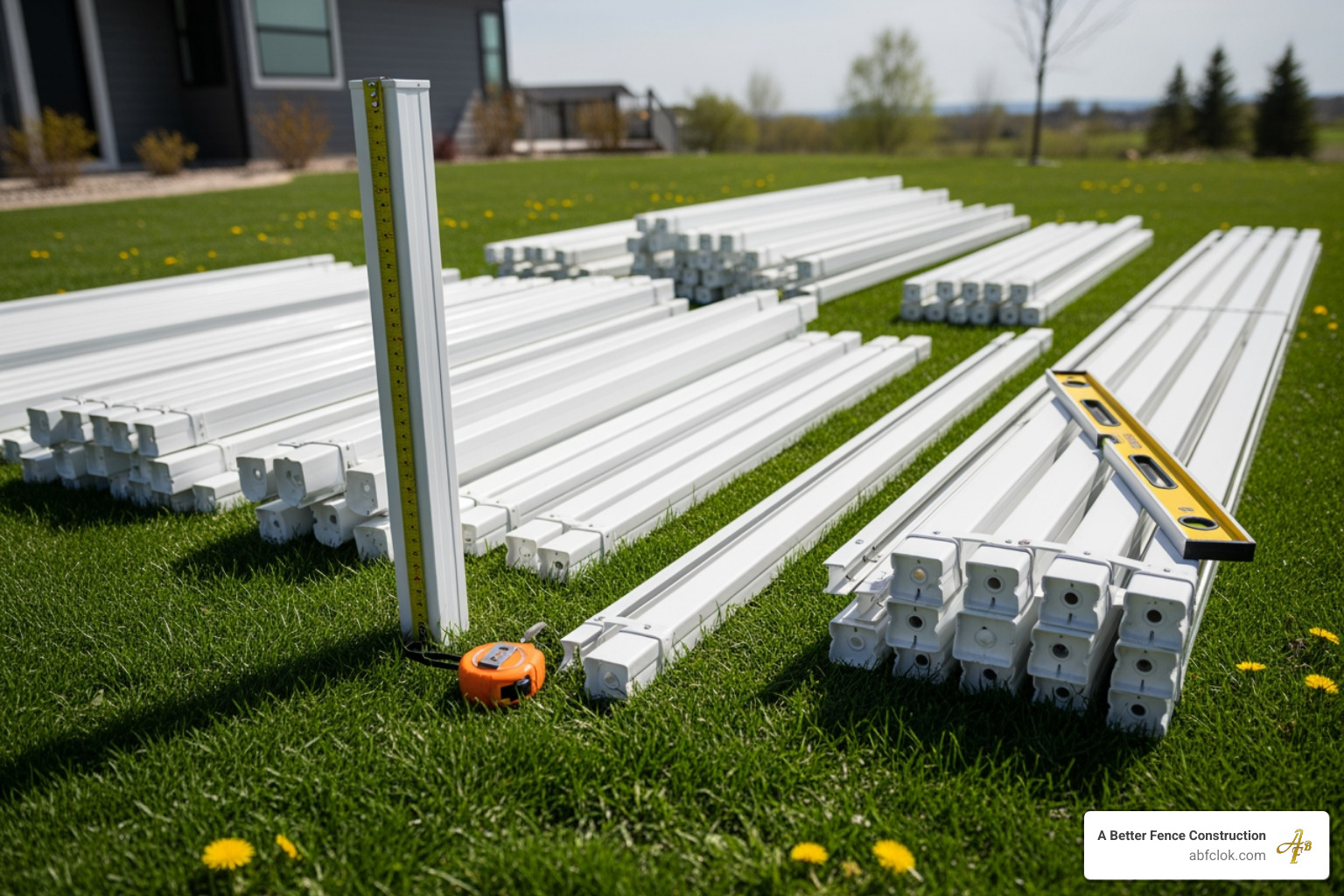
Step 1: Removing the Old Chain Link Fence
First, we clear the way for the new fence.
- Detach Fabric and Rails: Start by unfastening the ties holding the chain link mesh to the posts and top rail. Roll up the mesh for removal. Then, remove the tension bars at the ends and unscrew the top rail sections.
- Decide on Posts: You can either remove the old posts entirely or leave them in place for repurposing.
- Full Removal: Damaged or heavily rusted posts should be dug out along with their concrete footings. This is labor-intensive but necessary for a stable new fence.
- Repurpose Posts: If the posts are sturdy and well-aligned, leaving them saves significant time, effort, and money.
- Assess Post Condition: We’ll inspect each post for stability, alignment, and rust. This assessment determines if they are suitable for reuse or need to be replaced.
Step 2: How to change chain link fence to vinyl by repurposing posts
Repurposing existing metal posts offers significant cost and labor savings.
- Cost and Labor Savings: By using the existing posts, you avoid the demanding work of digging new holes and mixing concrete, which reduces both labor and material costs.
- Post Adapter Kits: Several products are designed for this conversion, allowing a vinyl post sleeve to be securely mounted over a metal post. These include donut adapters, rook kits, and heavy-duty mounting brackets that create a snug and stable fit.
- Wood Boxing Method: Another option is to build a pressure-treated wood box around the metal pole, creating a square base for the vinyl sleeve. The wood is secured to the pole with galvanized straps and fasteners for a sturdy connection.
- Addressing Misaligned Posts: Older chain link posts may not be perfectly straight. Minor deviations can be managed with shims or adjustable adapter fittings to ensure the new vinyl fence appears plumb. However, unstable posts should be replaced.
Step 3: Installing New Vinyl Fence Posts
If new posts are needed, proper installation is the foundation of a durable fence.
- Digging Post Holes: We dig holes at least 10 inches in diameter and 3 feet deep to get below the frost line. Gate and corner posts are set deeper for added stability.
- Gravel for Drainage: A 6-inch layer of gravel at the bottom of each hole prevents water from pooling and compromising the concrete footing.
- Setting and Leveling Posts: We place each post in the center of the hole, ensuring it is perfectly plumb (vertically straight) as we fill the hole with concrete. We slope the concrete at the top to shed water.
- Curing Time: The concrete needs to cure for one to two days to reach maximum strength before we attach the fence panels.
For more detailed instructions on vinyl fence installation, you can visit our guide: Details on vinyl fence installation.
Step 4: Assembling the Vinyl Fence Panels and Gates
With the posts secure, it’s time to assemble the fence.
- Install Rails: We install the bottom rails between posts, often using steel-reinforced rails to prevent sagging. Then, we slide in the vinyl pickets or panels. Finally, the top rail is attached, and all rails are secured to the posts with screws.
- Install Post Caps: Decorative post caps are glued on to protect the posts from water and debris.
- Reinforce and Install Gates: Gate posts are reinforced, often with internal wood inserts, to handle the extra stress. We then attach hinges and latches, ensuring the gate swings freely and latches securely. The opening is sized to allow proper clearance for hardware.
Frequently Asked Questions about Fence Conversion
Converting your chain link fence to vinyl is a significant investment. Here are answers to common questions for homeowners in the Oklahoma City area.
What is the cost difference between converting and a full new installation?
The cost depends on several factors. Repurposing existing posts is the most budget-friendly option, as it saves on labor and materials for new posts and concrete. While vinyl’s initial material cost is higher than chain link, its longevity and low maintenance offer long-term savings. Labor costs are higher for a full removal and replacement. The total linear footage of your fence will also directly impact the final price. A DIY approach saves on labor but risks costly mistakes, whereas professional installation guarantees quality.
For a deeper dive into the factors that influence the cost of vinyl fencing, you might find this article helpful: Learn about vinyl fence costs.
How do you handle a sloped yard when you change chain link fence to vinyl?
We use two primary methods for sloped terrain:
- Stepping Method: This is the most common approach. We install fence panels in level, horizontal sections, creating a stair-step look. This maintains a uniform panel height but leaves a triangular gap under the fence where the ground slopes.
- Racking Panels: Some vinyl styles can be “racked,” meaning the panel angles to follow the slope of the ground. This eliminates gaps underneath but requires specific panel types.
Our team has the experience to assess your terrain and recommend the best technique for a professional finish that improves curb appeal.
What are the biggest challenges when converting from chain link to vinyl?
When you change chain link fence to vinyl, some challenges can arise, especially when reusing old posts.
- Misaligned Old Posts: Vinyl panels require straight lines. We can often correct minor misalignments in old posts with shims or adapters, but severely crooked posts may need replacement.
- Unstable Post Footings: Old concrete footings can shift or erode over time. An unstable post cannot support a new vinyl fence and must be reset or replaced.
- Increased Wind Load: A solid vinyl fence catches more wind than an open chain link fence. Posts must be properly installed with deep footings to withstand Oklahoma’s strong winds.
- Correct Post Spacing: Existing post spacing may not match standard vinyl panel lengths (e.g., 6 or 8 feet). This may require cutting panels to fit.
Conclusion: Enjoy Your New Vinyl Fence
Deciding to change chain link fence to vinyl is a smart move for any homeowner in the Oklahoma City area looking to improve their property. We’ve seen how this change lifts curb appeal, provides much-needed privacy, and simplifies outdoor living.
You’ll gain the invaluable benefits of:
- Increased Property Value: A well-installed vinyl fence is a significant aesthetic and functional upgrade that adds tangible value to your home.
- Long-Term Durability: Enjoy decades of reliable performance without worrying about rot, rust, or pest damage.
- Low Maintenance Advantage: Say goodbye to painting, staining, and constant repairs. A simple wash is all your new vinyl fence needs.
At A Better Fence Construction, we pride ourselves on delivering meticulous work and outstanding customer service. As a family-owned business serving Oklahoma City, OKC, Norman, Edmond, Moore, Piedmont, Shawnee, OKC Metro, and Midwest City, we apply an engineer’s precision to every project. We’re dedicated to ensuring your new vinyl fence not only looks fantastic but also stands strong for years to come.
Ready to transform your property with a beautiful, durable, and low-maintenance vinyl fence? Let us help you achieve the fence of your dreams. For professional results and peace of mind, contact us today: Get a professional vinyl fence installation.
